


Cigar Band Materials: A Comprehensive Guide to the Substrates Behind the Brand
The cigar band is far more than a simple identifier—it is a miniature canvas that communicates prestige, heritage, and craftsmanship before the first puff is ever taken. While much attention is given to the design and printing of these iconic rings, the materials from which they are made are equally critical. The choice of substrate directly impacts durability, aesthetic appeal, tactile experience, and even the cigar's preservation. Understanding cigar band materials reveals the sophisticated engineering behind what appears to be a modest strip of paper.
Paper: The Foundation of Tradition
Coated Art Paper remains the industry standard for the majority of cigar bands. This high-quality paper features a clay or polymer coating that provides a smooth, glossy surface ideal for vibrant color reproduction and sharp detail. Available in various weights—typically ranging from 80 to 150 grams per square meter (gsm)—coated art paper offers excellent printability and a premium feel at a reasonable cost. It is the go-to choice for mass-market and mid-tier cigar brands.
Uncoated or Textured Paper has gained significant traction among boutique and artisanal cigar makers. These papers, often made from cotton fibers or high-grade wood pulp, provide a matte, organic finish that conveys rustic elegance and handcrafted authenticity. The absence of coating means colors appear softer and more muted, which can be a deliberate aesthetic choice for brands emphasizing tradition and natural processes.
Metallic Paper incorporates a thin metallic layer within the paper substrate, creating a lustrous, reflective surface without requiring additional foil stamping. This material is particularly popular for limited-edition releases and ultra-premium lines where visual impact is paramount.
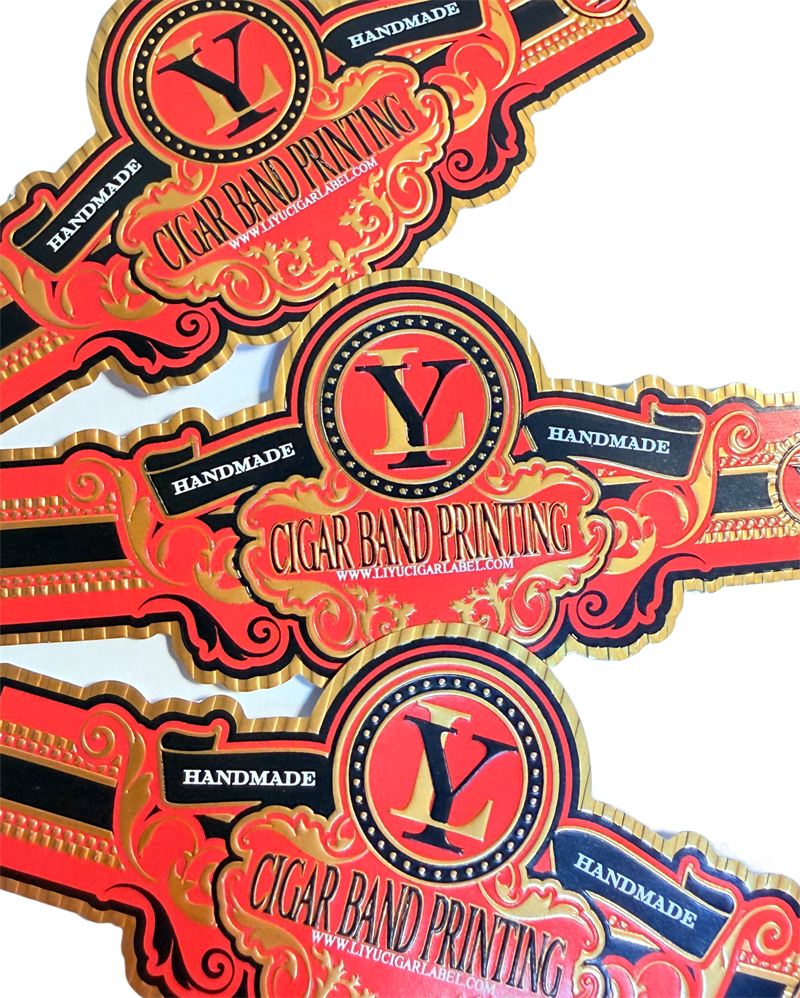
Foil and Metallic Substrates
Aluminum Foil Laminates represent a step up in luxury. These materials consist of a paper base laminated with a thin aluminum foil layer, which can then be printed upon or left exposed for a striking metallic appearance. Foil bands are highly resistant to moisture and tearing, making them exceptionally durable in humidor environments. They also provide a distinctive "crinkle" sound when handled, adding a sensory dimension to the unwrapping experience.
Holographic Films are increasingly used for anti-counterfeiting purposes as well as aesthetic enhancement. These specialized materials diffract light to create three-dimensional or shifting images, making them nearly impossible to replicate without specialized equipment. Beyond security, holographic elements add a futuristic, high-tech flair that appeals to younger demographics.
Alternative and Specialty Materials
Cotton Paper offers unparalleled texture and durability. Made from 100% cotton fibers rather than wood pulp, this material is acid-free, archival-quality, and possesses a distinctive tactile richness. It is favored by heritage brands and limited-production cigars where every detail must exude luxury.
Synthetic Substrates such as polypropylene or polyester films have entered the market for specific applications. These materials are virtually impervious to humidity, tearing, and fading—ideal for cigars destined for tropical climates or long-term aging. However, they remain controversial among traditionalists who view them as inauthentic.
Seed-Embedded Paper represents one of the most innovative developments in recent years. These biodegradable bands contain embedded seeds—often of flowers or herbs—that can be planted after the cigar is enjoyed. This material appeals to environmentally conscious consumers and serves as a memorable brand differentiator.

Adhesives: The Invisible Critical Component
No discussion of cigar band materials is complete without addressing the adhesive. The glue must perform a delicate balancing act: it must hold the band securely during storage and handling, yet release cleanly when the smoker wishes to remove it. Most manufacturers use gum arabic or dextrin-based adhesives, which are water-soluble and food-safe. These natural adhesives activate with moisture and form a bond that is strong enough for humidor conditions (65–72% relative humidity) but gentle enough to avoid damaging the delicate cigar wrapper when removed.
Some premium bands employ pressure-sensitive adhesives (PSA) for a more secure hold, though these can be more difficult to remove cleanly. The choice of adhesive often depends on the band's intended lifespan and the manufacturer's philosophy regarding band removal.

Embellishments and Surface Treatments
While not strictly "materials," surface treatments significantly alter the band's final character:
- Hot Foil Stamping applies metallic foil (gold, silver, copper, or colored variants) to specific areas, creating raised, reflective accents that catch the light.
- Embossing and Debossing physically reshape the paper surface to create texture and depth, often used for logos, borders, or decorative patterns.
- Spot UV Coating applies a glossy varnish to select areas, creating contrast between matte and shiny surfaces.
- Soft-Touch Lamination adds a velvety, tactile layer that feels luxurious to the touch and enhances color depth.
These treatments are applied over the base material and must be carefully selected to ensure compatibility with the substrate and adhesive.

Sustainability in Material Selection
Environmental consciousness is reshaping material choices across the industry. Leading manufacturers now offer:
- Recycled Paper Stocks made from post-consumer waste, reducing the environmental footprint without sacrificing print quality.
- FSC-Certified Papers sourced from responsibly managed forests.
- Soy-Based and Vegetable-Based Inks that are biodegradable and emit fewer volatile organic compounds (VOCs) than petroleum-based alternatives.
- Biodegradable Adhesives derived from plant starches rather than synthetic polymers.
These sustainable options are no longer niche—they are increasingly expected by consumers and required by corporate sustainability policies.
Material Selection: A Strategic Decision
The choice of cigar band material is never arbitrary. It reflects brand positioning, target demographics, production scale, and budget constraints. A mass-market brand may prioritize cost-efficiency and print consistency with coated art paper, while a ultra-premium boutique brand might invest in cotton paper with gold foil embossing and soft-touch lamination. A brand targeting environmentally conscious millennials might opt for seed-embedded paper with soy-based inks.
Furthermore, material choice must account for practical considerations: the band must withstand the humidor environment without warping, fading, or adhesive failure. It must not impart unwanted flavors or odors to the cigar. And in an era of sophisticated counterfeiting, materials can serve as a security feature—holographic substrates, specialized watermarks, and unique paper textures all help authenticate genuine products.


