

The Evolution of Label Printing: Technology, Trends, and Market Dynamics
Label printing has long been one of the silent partners in the printing industry—quietly efficient, highly technical, and deeply integrated into almost every sector. But that is changing. Over the past few years, label printing has stepped into the spotlight, drawing attention not just from converters and niche specialists, but increasingly from OEMs, commercial printers, and packaging providers. Today, the label printing market is valued at USD 44.7 billion in 2025 and is projected to grow at a compound annual growth rate (CAGR) of 5.8% to reach USD 74 billion by 2034. This growth reflects the essential role labels play across industries—from food and beverage and healthcare to logistics and consumer goods—where clarity, durability, and customization are paramount.
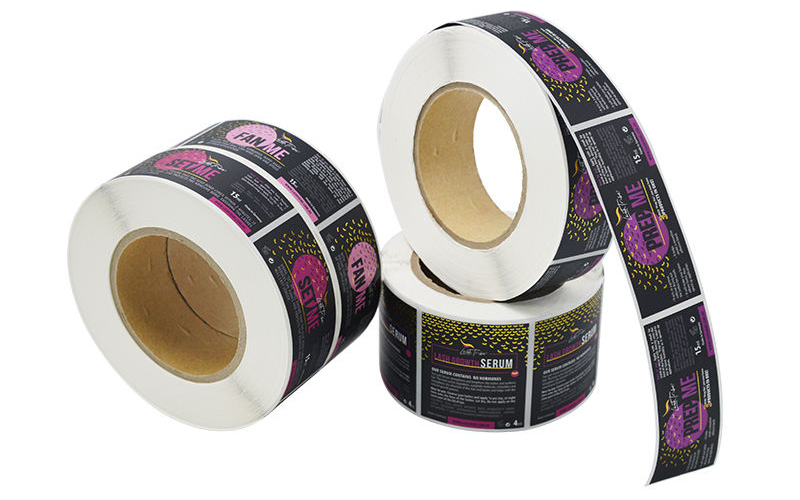
The Three Pillars of Label Printing Technology
The label printing industry today is defined by the convergence of three core technologies: flexography, digital printing, and hybrid systems. Rather than competing, these technologies now coexist to meet the diverse demands of brand owners.
Flexography: The Established Workhorse
Flexographic printing remains the backbone of the label industry, accounting for 17% of the world's packaging production. Recent innovations have reinforced its position. At Labelexpo Europe 2025, Hubergroup introduced the Iray UV Flexo series—a comprehensive system of primers, laminating adhesives, printing inks, and lacquers designed to work seamlessly together for both food and non-food applications. Meanwhile, Asahi Photoproducts unveiled its REVO SERIES, featuring the AWP™-REVO Ecosystem, a detergent-free, water-based flexographic plate processing solution that reduces solvents, minimizes resource consumption, and can recycle up to 90% of washout water. These advancements demonstrate that flexography continues to evolve, becoming more sustainable and efficient while maintaining its renowned reliability for high-volume production.
Digital Printing: The Growth Engine
Digital printing has become a staple in label conversion, with inkjet and toner-based digital presses producing over 100 billion A4 label prints in 2025 alone. The global market for digital print in packaging and labels reached USD 22.0 billion in 2025 and is expected to grow at a 10.9% CAGR to USD 36.9 billion by 2030. Approximately 8,100 narrow-web inkjet and toner presses are now in operation globally for label and sleeve printing, giving digital a 23.3% share of the label market by value—a striking achievement.
Digital's appeal lies in its flexibility: it eliminates the need for plates, reduces make-ready time, and supports variable data printing, enabling mass customization at scale. This capability is increasingly critical as brands pursue shorter, targeted runs for regional launches, seasonal promotions, and influencer-led marketing.
Hybrid Printing: The Best of Both Worlds
Perhaps the most significant development in recent years has been the rise of hybrid presses. These systems combine the reliability and speed of flexographic printing with the precision and agility of digital, all in a single-pass production workflow. Major OEMs including Durst, Heidelberg’s Gallus division, Fujifilm, Mark Andy, and Bobst have launched hybrid models purpose-built for today's market realities—short runs, serialized barcodes, high-end embellishments, and variable content at scale.
Hybrid press installations are climbing rapidly, experiencing a 13.2% CAGR. As one industry expert observed, "Hybrid has come on strong in the last few years... Hybrid is suitable for higher run, multi-SKU jobs and a common die. You can load one die, queue up a job with hundreds of SKUs, and let it print all day". By combining digital print with flexo and converting modules, hybrid presses reduce plate requirements, cut prepress labor, and minimize work-in-process inventory.

Materials and Substrates: Innovation at the Foundation
The label printing industry is also experiencing significant innovation in materials. The pressure-sensitive (self-adhesive) segment represents 39% of the global label market. Substrate choices continue to expand, with BOPP synthetic paper offering tear resistance and excellent printability across multiple grades, while advances in water-based inkjet coatings enable sharp text, crisp image density, and vibrant colors on paper substrates.
Sustainability is driving material innovation. Manufacturers are switching to low-VOC inks, recyclable label liners, and biodegradable adhesive materials. New recyclable paper-based label materials now achieve the semi-transparent appearance traditionally associated with film, and dual-coated synthetic papers provide print vibrancy and longevity for demanding environmental conditions.
Key Trends Shaping the Industry
Automation and Digital Transformation
Automation has emerged as one of the top trends in label manufacturing. As companies grapple with staffing shortages, the ability to accomplish more with less is paramount. Cloud-connected printers now allow remote access, monitoring, and reordering. Management information systems (MIS), web-to-print portals, variable data workflows, and smart finishing equipment have moved from nice-to-haves to table stakes for staying competitive.
Smart Labels and Connectivity
The integration of smart labeling technologies—including RFID, NFC, and dynamic QR codes—is transforming traditional labels into interactive gateways that deliver digital experiences and real-time data. The global smart labels market is projected to grow from USD 14.67 billion in 2024 to USD 42.36 billion by 2034, representing an 11.32% CAGR. These technologies enable real-time tracking, product authentication, and anti-counterfeiting capabilities. Blockchain-linked labels are emerging to improve supply chain transparency in pharmaceuticals and premium goods.
Sustainability as a Strategic Imperative
Sustainability is no longer a niche concern—it is reshaping the entire industry. From Actega's Ecoleaf technology, which reduces CO₂ emissions by up to 80% compared to traditional metallic foils, to Avery Dennison's thermal transfer ribbons that use 26% less plastic and are 100% solvent-free, the industry is embracing environmental responsibility. Consumers increasingly demand sustainable options—but they also demand proof. Efficiency, functionality, and real benefits have become the new currency of trust.
The Convergence of Print Segments
The boundaries between print segments—commercial, label, packaging, and even industrial—are becoming less defined. Commercial printers, having navigated commoditization and shrinking run lengths, are actively exploring label production as a growth area. Conversely, some label printers are expanding into packaging, particularly short-run cartons and flexible packaging. The technologies are adjacent, the client bases often overlap, and the market demand for customization and fast delivery is only increasing.
Looking Ahead
As we look toward the future, several forces will continue to shape the label printing industry. Artificial intelligence will be used to enhance print quality monitoring and predictive maintenance in label printing systems. Localized printing hubs using digital presses will become more common, enabling just-in-time label production and reducing shipping costs. The pressure-sensitive segment will continue to evolve, with premium or diversified applications—including e-commerce and thermal labels—offering pockets of resilience.
The label printing industry stands at a pivotal moment. As one observer noted, "We are watching a moment of convergence where the boundaries between print segments are becoming less defined due to technological advancements, the increased emphasis on automation, digitalization, and integrated workflows". Brands are demanding more from their printers: faster timelines, shorter runs, tighter color tolerances, and increased sustainability.
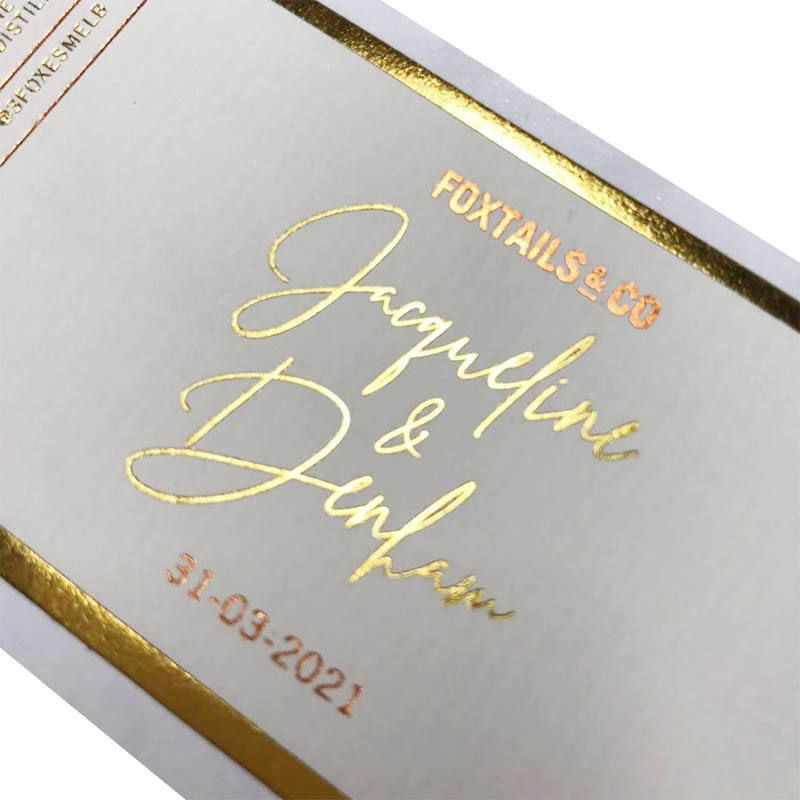
For printers, this creates an ideal opportunity. Labels have become more sophisticated in their design, more durable in their construction, and more personalized in their messaging—all without compromising turnaround times or operational cost. In essence, the press itself is now a differentiator, not just a production tool. The industry that was once a silent partner is now taking center stage in the transformation of printing and packaging.


