

How Custom Packaging Labels Define Your Brand
Custom packaging labels are no longer just functional stickers that list ingredients or barcodes; they are the silent salesmen of the physical world, whispering (or shouting) the story of your brand.
When executed correctly, a custom label is the most cost-effective marketing tool at a company's disposal. It transforms a plain box or a generic bottle into a personalized vessel of brand identity. Here is why investing in high-quality, custom-printed labels is essential for businesses of all sizes.
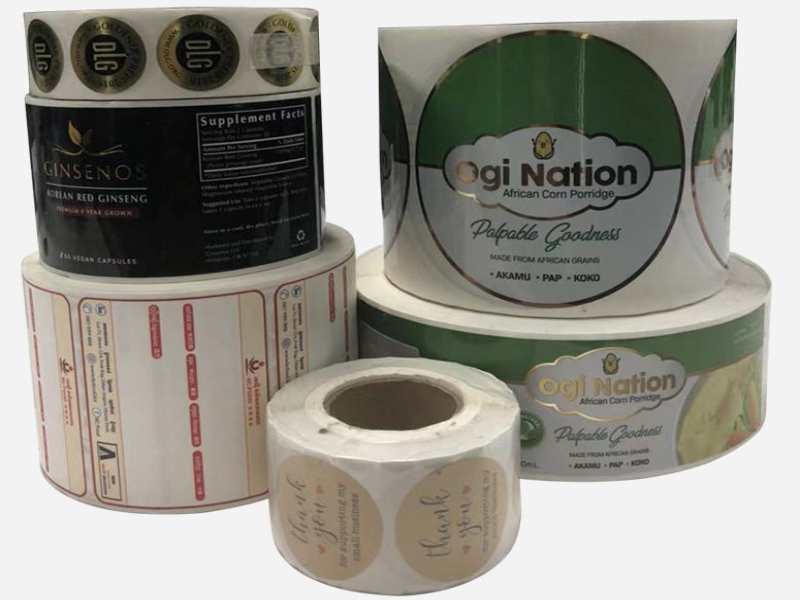
The Power of First Impressions
We are conditioned to judge a book by its cover, and the same applies to consumer goods. A label is often the first physical touchpoint a customer has with a product. If that touchpoint feels cheap, blurry, or poorly designed, it creates an immediate perception of low value.
Custom packaging labels allow you to control this narrative completely. Through thoughtful design, you can convey luxury, affordability, sustainability, or innovation without saying a word. The choice of material, for instance, signals quality. A matte finish might suggest sophistication and subtlety, while a high-gloss, metallic label screams premium exclusivity. By utilizing custom shapes, embossing, or even clear film to create a "no-label" look, brands can stand out on a crowded shelf where generic, standard labels fade into the background.
More Than Just Aesthetics: The Functional Value
While art direction is crucial, the utilitarian aspect of custom labeling cannot be overlooked. Labels are the primary vehicle for regulatory compliance. They must display ingredients, nutritional facts, usage instructions, and safety warnings clearly. However, a custom label allows you to organize this information elegantly rather than cramming it into an unsightly block of text.
Beyond compliance, modern labels serve as a dynamic communication channel. With the integration of QR codes or NFC chips, custom labels are becoming interactive portals. A quick scan can take a consumer to a video of the product being made, a detailed sustainability report, or an exclusive loyalty program. This bridges the gap between the physical store and the digital ecosystem, turning a static sticker into a powerful engagement tool.
Building Brand Loyalty
One of the greatest challenges for any business is creating a connection that transcends the transaction. Custom labeling plays a pivotal role in this process. Consistency is key. When your labels feature the same logo, color palette, and typography across all your product lines, you build brand recognition. This visual consistency creates familiarity, and familiarity breeds trust.
Moreover, custom labels are increasingly being used to tell a story. Many brands are leveraging the "back of the label" to share their origin story, highlight ethical sourcing, or explain the craftsmanship involved. In an age where consumers are increasingly conscious of what they consume, transparency is a powerful loyalty driver. A label that tells a story makes the product feel personal, and a personalized product is seldom forgotten.
The Role of Technology in Labeling
The technology behind custom label printing has evolved rapidly, making high-quality printing accessible to small businesses. Digital printing, in particular, has revolutionized the industry. It allows for short-run printing with no setup costs, meaning brands can order smaller batches to test markets or create seasonal variations without wasting inventory.
Variable data printing (VDP) is another game-changer. This technology allows you to change text or images from one label to the next without stopping the press. This opens the door for hyper-personalization—think adding a customer's name to a label for a special edition, or segmenting marketing messages based on the region the product is being shipped to.
Choosing Your Materials
The final step in the custom label journey is material selection. This is a critical decision that impacts the label's durability and perceived value.
Paper: The classic choice, offering a natural feel. Ideal for dry, indoor products like books or stationery.
Synthetic (Polypropylene/Polyester): Highly durable, water-resistant, and tear-proof. These are essential for cosmetics, beverages, and products exposed to moisture or refrigeration.
Eco-Friendly: With sustainability being a major trend, materials like recycled paper, biodegradable films, and tree-free alternatives (like stone paper) are becoming popular. It is important to note, however, that eco-friendly often requires specific adhesives to remain effective in variable conditions.


